Too Hot to Handle? FIFA’s Club World Cup Heat Crisis and the Challenge Ahead for 2026


Many viewed this summer’s FIFA Club World Cup as a soft launch, a “test run” for next year’s expanded FIFA Men’s World Cup across the United States, Mexico, and Canada. Yet if anything, it has become a case study in how fragile elite football can look under the weight of extreme weather, scheduling pressures, and competing commercial interests.
Perhaps the biggest issue so far? The heat—and what it means for the future.
FIFPRO, the global players' union representing over 70,000 professional footballers, recently issued an urgent plea to FIFA: do not schedule midday or early afternoon kick-offs at next summer’s World Cup in certain cities. Kansas City, Miami, and Monterrey were all identified as “extremely high risk” venues for heat-stress injury if matches are played under the midday sun. Other host cities, including Atlanta, Dallas, Houston, Boston, Philadelphia, and Guadalajara, were also flagged as “high risk” or “very high risk.”
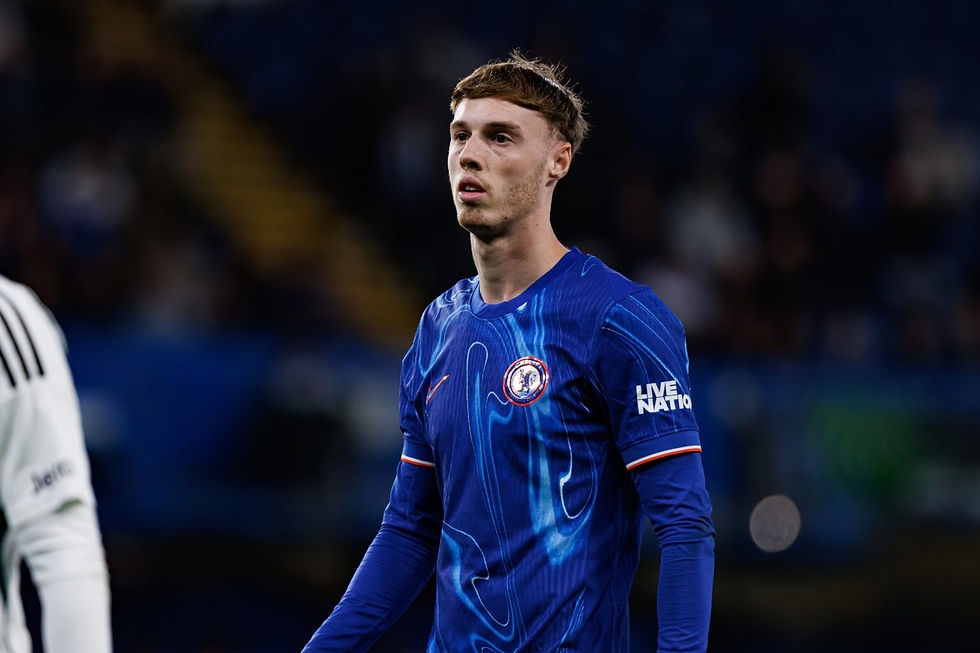
The recent Club World Cup offered a preview of why. Matches like Chelsea vs. Esperance de Tunis and PSG vs. Atlético Madrid saw kick-offs in blistering conditions that FIFPRO argues should have been avoided altogether. Even FIFA’s newly introduced cooling breaks—short pauses in the match to let players hydrate and recover—seemed to do little to truly mitigate the risks. FIFPRO’s medical director, Professor Dr. Vincent Gouttebarge, proposed trialing extended half-time breaks and more frequent, shorter in-game cooling pauses, but the core problem remains: football’s summer calendar now regularly overlaps with peak heat conditions, and commercial interests continue to pressure governing bodies to schedule games at times that are appropriate for global TV audiences.
Yet heat is only half the story. Managers, clubs, and fans have also voiced frustrations with lengthy weather delays. Chelsea coach Enzo Maresca called it “a joke” after his team’s Club World Cup match against Benfica in Charlotte was delayed by over 113 minutes due to a lightning storm. The match restarted under dramatically different conditions, changing the game’s flow and forcing players to sit for hours mid-match. It was the sixth storm-related stoppage of the tournament.
These complaints highlight a tension FIFA must navigate: how do you protect players from life-threatening conditions without turning games into stop-start affairs that alienate fans and disrupt the rhythm of play? Simply reducing stoppages to keep TV schedules intact could come at the cost of player safety; after all, it would be counterintuitive to increase protection against extreme heat while simultaneously stripping away protections against dangerous storms.
A Look Across Sports: What Can FIFA Learn?
Baseball, a sport deeply woven into the North American summer, is already grappling with similar questions. Extreme heat has become so common that MLB teams have introduced a patchwork of technological solutions and personalized hydration strategies to help players cope.
Tampa Bay Rays starter Ryan Pepiot, for example, now disappears into the dugout tunnel between innings to cool off next to a portable air conditioning unit, using a device to reduce his core temperature and hydrating with a carefully planned mix of salty fluids and electrolyte drinks. Teams like the Mets have employed performance nutrition coordinators to measure each player’s sweat rate, design individualized hydration plans, and distribute specialized drinks—sometimes even tart cherry juice or beet juice mixed with recovery packs. There’s talk of implementing real-time hydration and temperature monitoring on dugout tablets so that staff can spot danger signs before players cramp or collapse.
While baseball benefits from natural breaks between innings, soccer lacks those pauses. However, technology and data could still help FIFA. Pre-match hydration testing, individualized sweat-rate analysis, and real-time monitoring could all allow teams to proactively protect players. Extending half-time or adding flexible cooling breaks could buy critical recovery time without fundamentally changing the character of the match.
Walking the Tightrope: Player Health vs. the Global Spectacle
Next summer, FIFA faces an enormous task. European and Asian audiences will expect watchable afternoon matches, and TV broadcasters will expect those matches to happen on schedule. Meanwhile, players will arrive already worn down by congested club calendars, raising the risk of heat injury, fatigue, and even cardiac incidents.
FIFPRO may not have formal power to force change—it can only use public pressure and data-driven arguments. But the union’s warnings should resonate after what we’ve seen this summer. If FIFA truly wants the 2026 World Cup to succeed as a global spectacle, it cannot gamble on player safety, nor can it ignore fans’ frustrations with endless delays. The right approach will likely require a blend of advanced cooling technologies, creative scheduling, smarter match-day operations, and robust heat protocols.
The heat isn’t going away. Neither is the tension between delivering a seamless tournament and protecting the very athletes fans come to watch. FIFA has just under a year to show it can do both—and after this Club World Cup, it’s clear that challenge will define next summer’s tournament.
Legal Perspective: Could FIFA Face Claims?
Beyond player health and commercial pressures, the legal dimension of extreme heat at the World Cup raises real questions. While FIFPRO’s public statements and medical research serve mainly to advocate, they also set the stage for potential claims if FIFA ignores credible warnings and players suffer harm.
Players could, in theory, bring claims rooted in negligence if FIFA proceeds with early kick-offs in cities flagged as “extremely high risk” and those decisions foreseeably result in heat-stress injuries. The legal argument would hinge on FIFA’s duty of care toward participants and its access to clear, data-driven warnings from experts like FIFPRO’s medical team. In some jurisdictions, especially if there is evidence FIFA prioritized commercial interests over player safety, that duty could be viewed as breached.
Clubs, whose players are effectively assets worth millions, might also explore claims if injuries linked to tournament conditions materially harm a player’s career or market value. While traditionally reluctant to litigate directly against FIFA due to commercial and political relationships, clubs could exert indirect pressure through their leagues or national federations.
FIFPRO itself, though lacking direct coercive power over FIFA, could escalate disputes to the Court of Arbitration for Sport (CAS) under existing frameworks if it believes FIFA’s scheduling decisions violate player welfare obligations under FIFA’s statutes or broader principles of sports governance. CAS has historically ruled on disputes over match scheduling, safety, and the reasonable balance between competition and health.
Moreover, FIFA must balance heat protections with storm-related safety delays, which carry their own legal implications. Reducing stoppages purely to protect broadcast schedules could expose FIFA to claims if lightning strikes or other severe weather causes injury after protective measures were relaxed. As with heat, the question is foreseeability: FIFA is now on notice that extreme weather events are not only possible but increasingly likely.
Ultimately, FIFA’s challenge isn’t just sporting or logistical—it’s legal. For next year’s World Cup to go off without a hitch, the organization must show it took reasonable, proactive steps to protect player welfare, backed by credible expert guidance and good-faith risk management. Ignoring those steps in favor of commercial interests could leave FIFA exposed not just in the court of public opinion, but potentially in court itself.


Comments